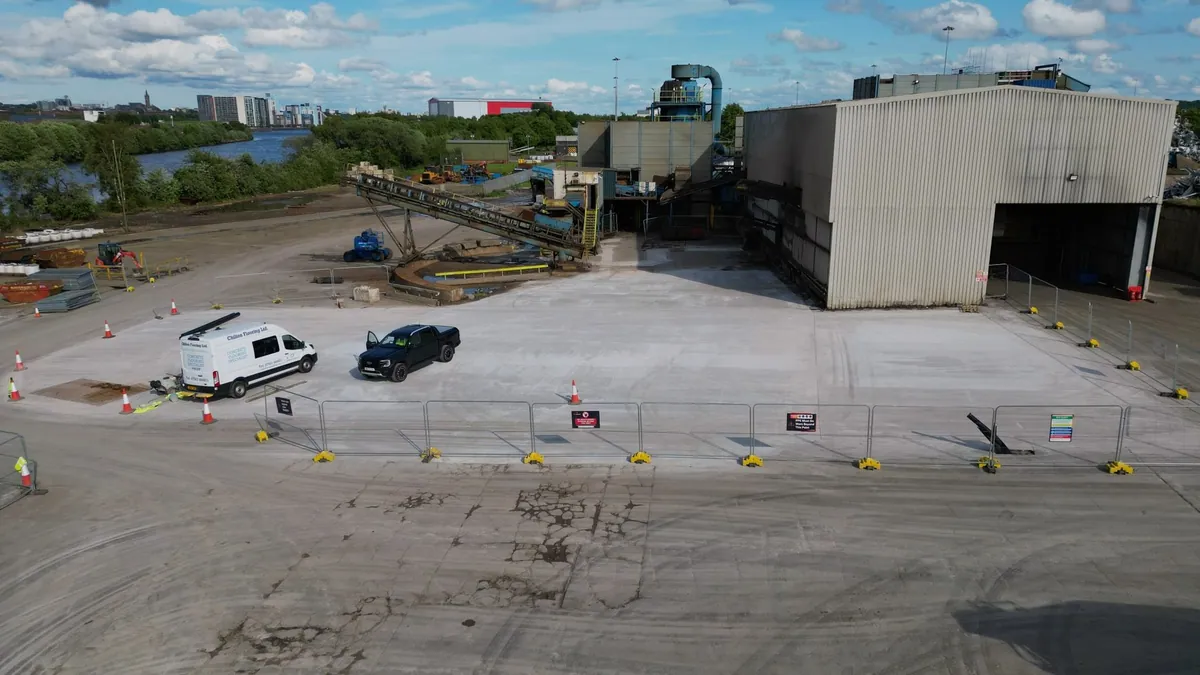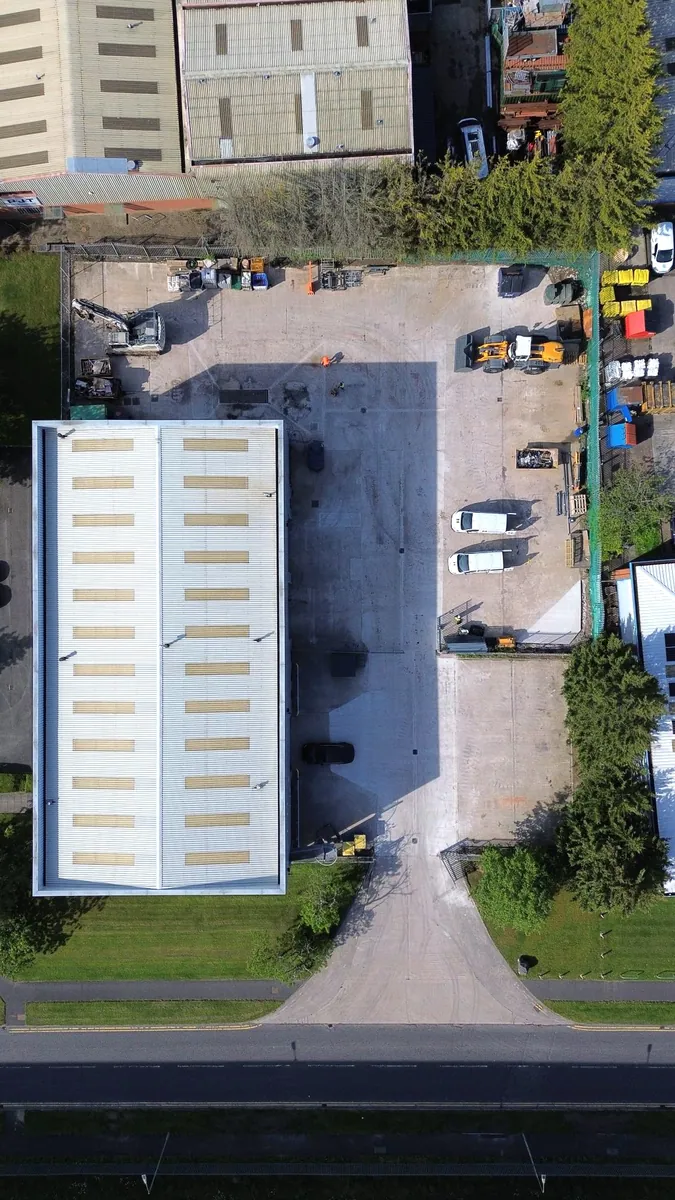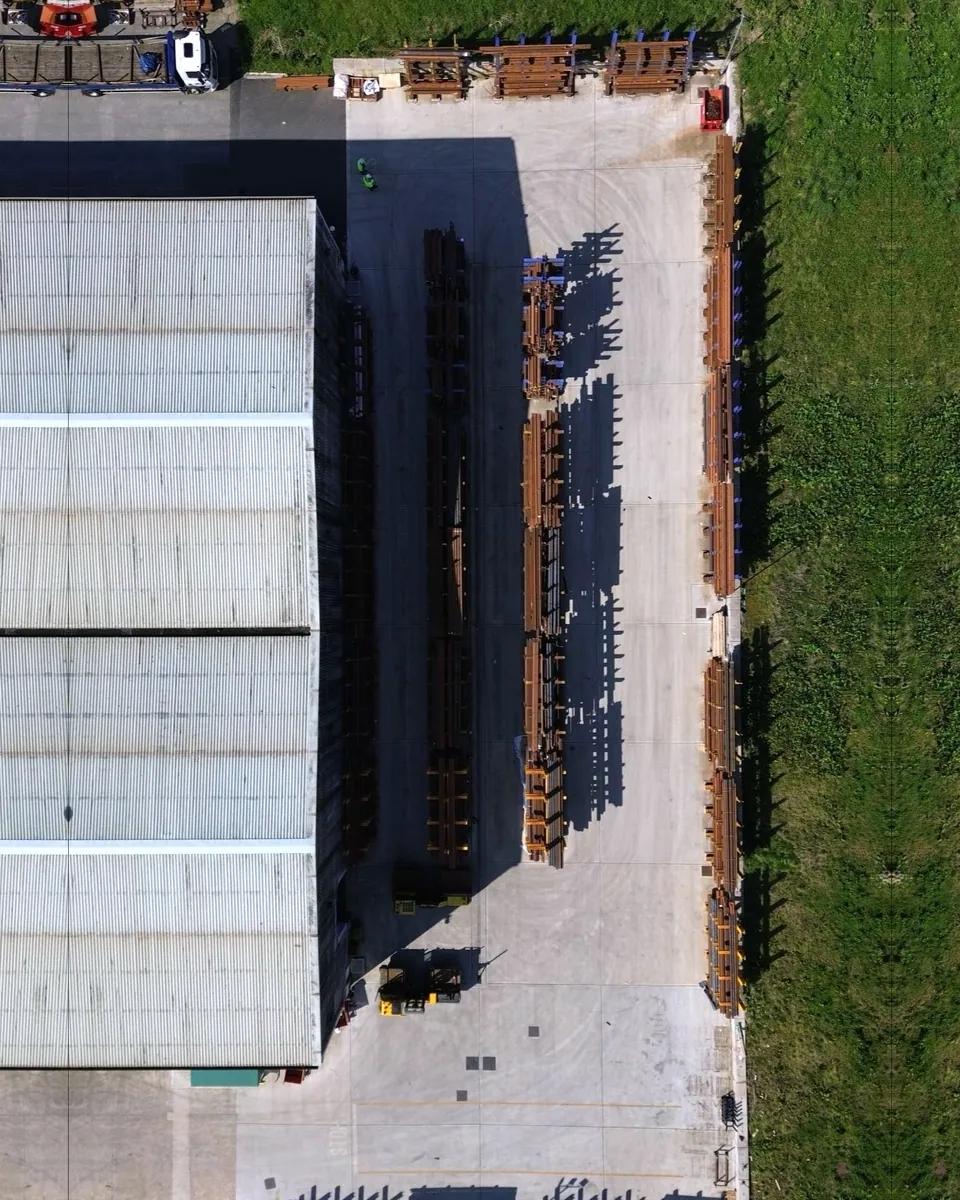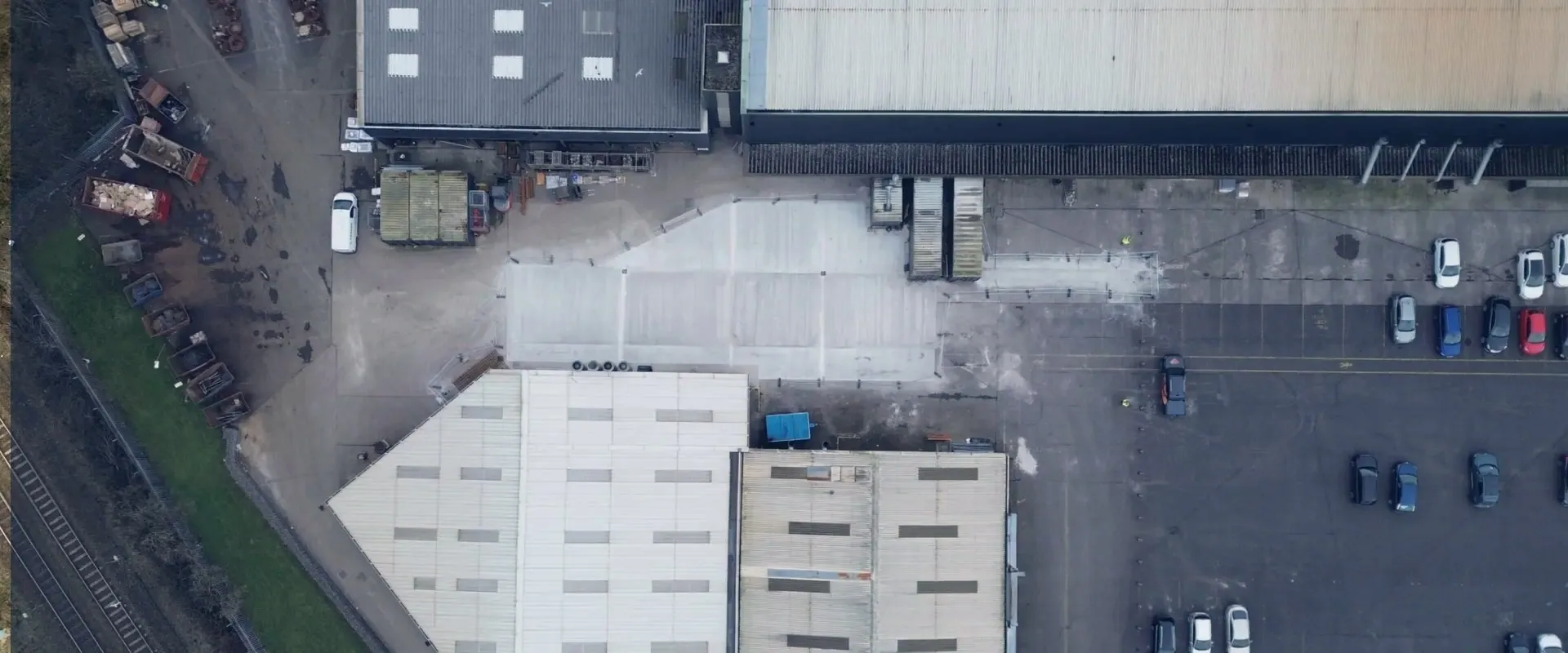
We visit three or four industrial yards every week
The problems that end up costing serious money were almost always visible months earlier. A crack growing. A drain running slow. A patch failing in the same spot. Fifteen minutes once a month, walking your yard with fresh eyes, is enough to catch most of them before they become expensive. And the record you build protects you when an insurer or the HSE asks what you knew and when.
Problem guide: what good looks like in service yards
- A well-maintained yard is not just about appearance. It is about surfaces, drainage, and markings all working together as a system
- Good yards are not necessarily new yards. They are yards where problems are caught and dealt with before they compound
- The difference between a yard that works and one that does not is usually a consistent inspection routine, not a big capital spend

Why early spring is the right time to do this
Winter does its damage quietly. Freeze-thaw cycles work on cracks, saturated ground weakens sub-bases, and drainage systems get pushed to their limits. Now that temperatures are stabilising, the evidence is visible if you know where to look. This is also when most facilities teams are finalising maintenance budgets. What you find now shapes what you spend over the next twelve months, and what you document protects you if anything goes wrong.
What to check and why it matters
Surface condition
Cracks wider than 5mm, spalling, potholes, and areas that have visibly dropped or lifted. Surface defects do not stay the same size. Anything above 40mm depth is an immediate hazard. Focus on joints between slabs and edges near drainage channels.
Standing water and drainage
Puddles that remain more than an hour after rain mean your drainage is not coping. Standing water weakens sub-bases, creates slip hazards, and can become a compliance issue if contaminated runoff reaches watercourses.
Drainage infrastructure
Blocked gullies, damaged grate covers, and silting all reduce capacity. A system running below capacity will fail in the next heavy rain. Check interceptors if you handle oils or fuels, and channel drains along loading bays.
Pedestrian and vehicle routes
Slips, trips, and falls account for around 30% of workplace injuries with average liability payouts exceeding £20,000. Look for trip hazards, faded markings, and areas where pedestrian and vehicle routes are not clearly separated.
Edges, joints, and ironwork
Edges and joints are where most failures start. Look for gaps between slabs and kerbs, rocking ironwork, and crumbling edges. Loose ironwork under HGV traffic is a vehicle damage risk and a potential injury point.
Sub-base signs
A hollow sound underfoot, visible sinking, or sections that flex under load suggest sub-base failure. If the sub-base is failing, surface repairs will not hold. Focus on areas that have been repeatedly patched and sections near drainage runs.
What to do with what you find
Photograph the same locations each month with a date and note the size of any defects. Prioritise anything creating a trip hazard, blocking drainage, or sitting in a high-traffic area. If you are seeing sub-base movement or drainage that is fundamentally not coping, get a proper survey before spending money on repairs that will not hold.
Concerned about what winter has left behind?
Send us a brief and we will organise a free site survey. An honest assessment of what needs attention now, what can wait, and what it will take to fix properly.